Here are the top political news stories for today.
@ISIDEWITH4hrs4H
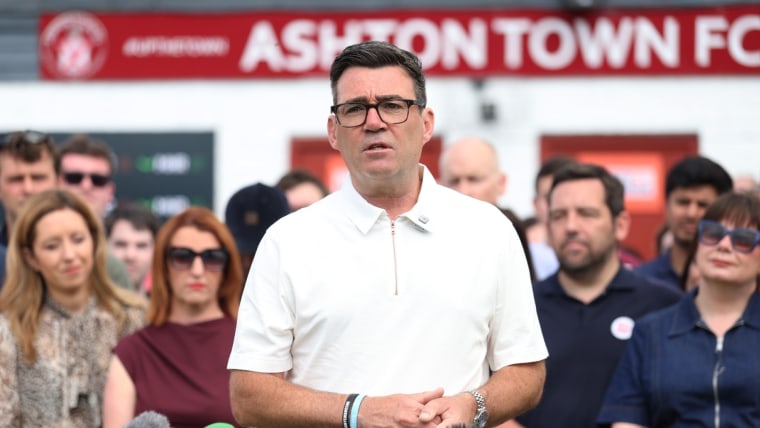
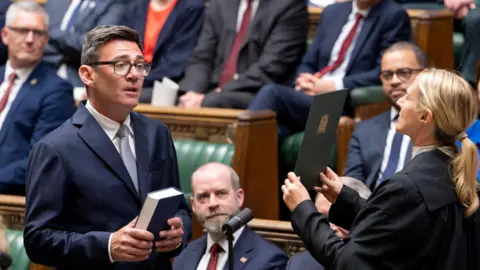
Keir Starmer resigns as UK Prime Minister following a decade of political instability
Prime Minister Keir Starmer announced his resignation Monday morning following a series of local election losses and an internal revolt within the governing Labour Party. His departure marks the end of a two-year tenure that began with a massive landslide victory but struggled to deliver on promises of economic growth and national direction. Starmer is the sixth British prime minister to leave office in just ten years, a period of unprecedented leadership churn that coincides with the tenth anniversary of the Brexit referendum. Andy Burnham, the popular Mayor of Greater Manchester often called the 'King of the North,' has emerged as the clear favorite to succeed him. A formal leadership contest will now take place, with a new prime minister expected to be appointed by September.
@ISIDEWITH4hrs4H
@ISIDEWITH9hrs9H
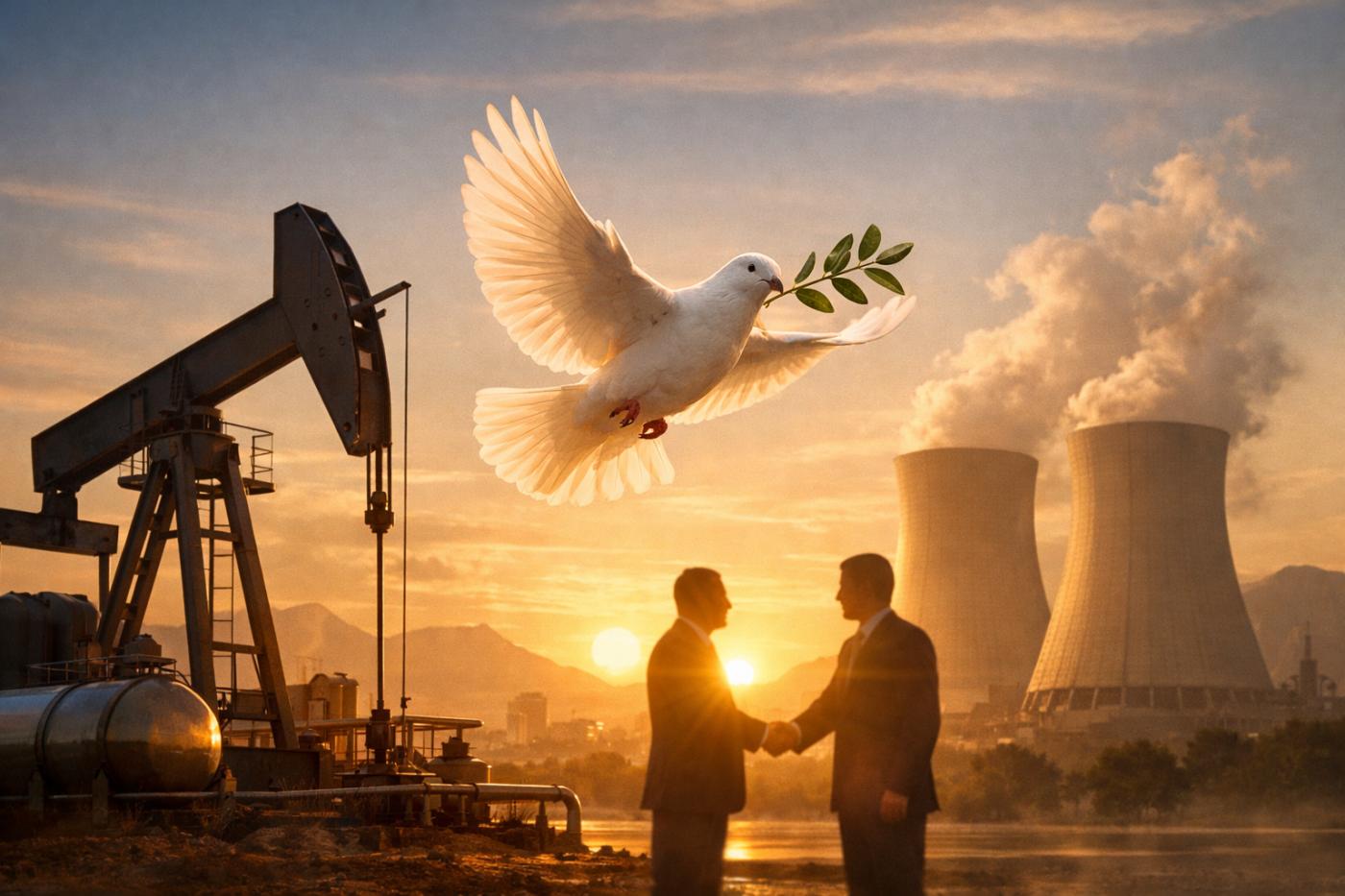
US temporarily lifts Iran oil sanctions to advance nuclear and peace negotiations
On Monday, the U.S. Treasury issued a 60-day license allowing Iran to sell oil and petroleum products on the international market in U.S. dollars for the first time in years. This significant policy shift follows high-level talks in Switzerland where Iranian officials reportedly agreed to allow international nuclear inspectors back into the country. The temporary waiver provides Tehran with a vital economic lifeline, potentially unlocking billions of dollars in revenue while regional conflicts in Lebanon stabilize. Critics warn that lifting these sanctions prematurely sacrifices essential U.S. leverage, whereas supporters view it as a pragmatic step toward a permanent peace deal. The license is set to expire on August 21, creating a narrow window for both nations to finalize a comprehensive roadmap for regional security.
@ISIDEWITH13hrs13H
EU decouples Moldova's membership bid from Ukraine after major reform progress
Today in Brussels, EU leaders officially shifted Moldova and Ukraine onto separate accession tracks, ending the informal 'package deal' approach to their membership. The decision follows Moldova's completion of 93% of required reforms under an EU growth plan, signaling its readiness to move faster. European Commission President Ursula von der Leyen confirmed that while the two nations started the process together, their progress will now be judged purely on individual merit. During the summit, Moldova was promised another €503 million in aid to bolster its security and judicial systems. Expect negotiations to accelerate for Moldova in early 2027 as it attempts to bypass the complications of the ongoing war in Ukraine.
Loading the political themes of users that engaged with this discussion
Loading data...
Join in on more popular conversations.